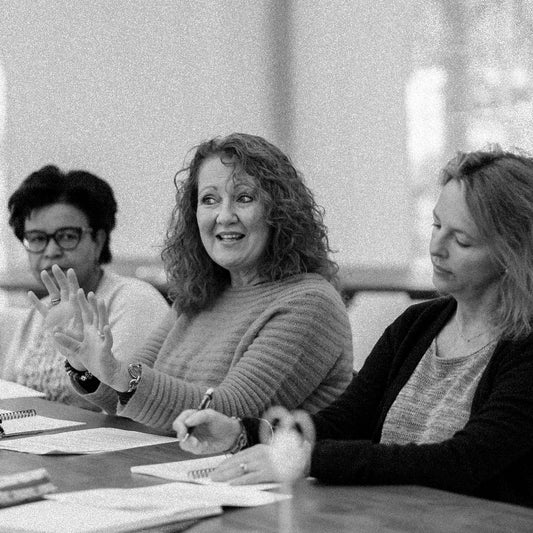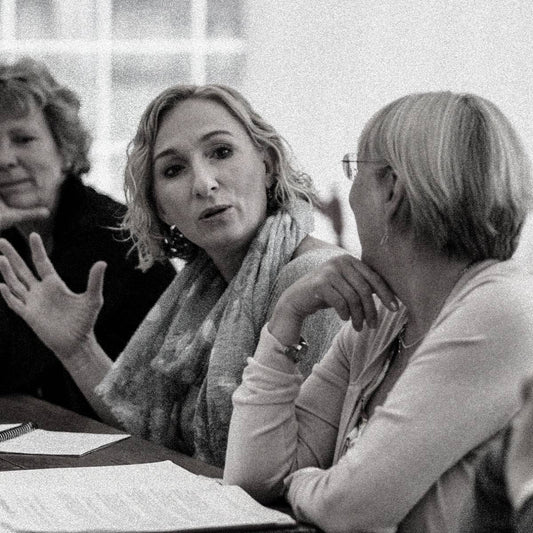


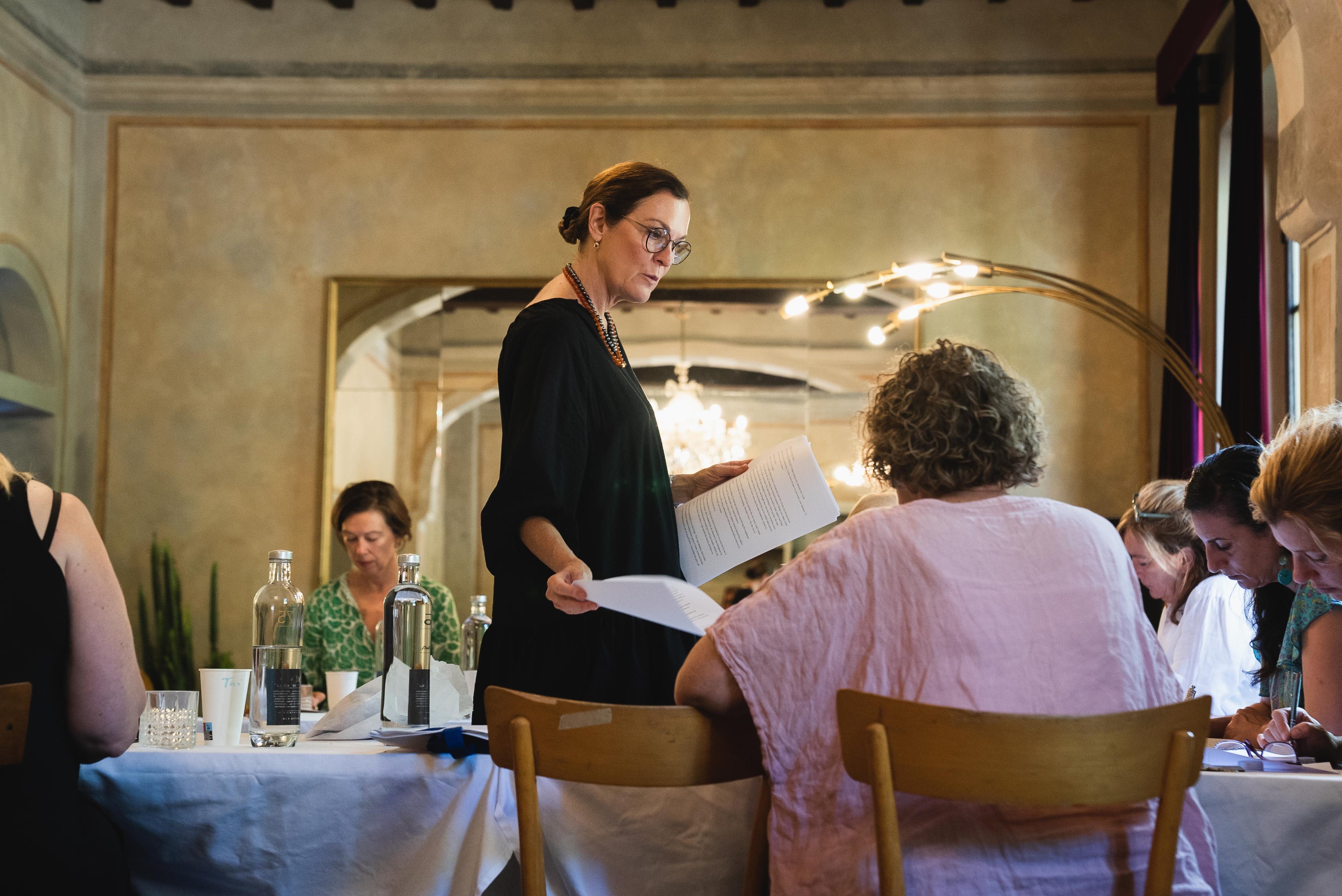
Set within Palazzo San Niccolò in one of Florence’s most atmospheric neighbourhoods, this workshop unfolds between the beautiful indoor salone, quiet garden spaces and the streets of Florence itself.

This is not Florence observed from a distance. This is Florence entered, walked, tasted and written.

What Makes The Art of Storytelling in Florence Different
1.
A workshop grounded in storytelling craft
The Art of Storytelling is built around the practical work of writing. Every session is designed to help writers better understand what makes a story compelling and how to create greater clarity, emotional depth and momentum on the page.
2.
The essential architecture of story
Across eight masterclasses, writers explore the foundations of storytelling, including character, conflict, the Major Dramatic Question, sense of place, structure, plot, memoir and backstory. Each session opens a different door into the work.
3.
Florence as an active teaching environment
Florence is not simply the backdrop. The city becomes part of the classroom. Its streets, markets, architecture and daily rhythms offer writers an extraordinary opportunity to observe how location shapes character, memory and story. Apply these lessons to your own story’s location.
4.
Sense of place taught in situ
Lisa Clifford’s Sense of Place class moves from the salone into the streets of Florence. Writers take their characters for a walk, paying close attention to what they might notice, feel, remember and fear. The trail begins at Palazzo San Niccolò and finishes at Sant’Ambrogio Market.
5.
Teaching shaped by a life in Florence
After living and writing in Florence for more than thirty-five years, Lisa Clifford brings a deeply personal understanding of the city to the workshop. Her experience in books, journalism and travel writing informs a practical approach to transforming location into story.
6.
An intimate group of only seven writers
With just seven places, there is room for every writer and every story. The small group allows for thoughtful discussion, individual attention and the creation of a safe, generous space in which writers can take creative risks.
7.
The Major Dramatic Question at the heart of your story
So often overlooked in writing workshops, the Major Dramatic Question is central to our Character class, helping you clarify what your protagonist wants, what stands in their way and the compelling question that will carry your reader through your story.
8.
Direct access to a literary agent
A special evening Q&A gives writers the opportunity to hear directly from a literary agent about what publishers are looking for, what makes a submission stand out and the mistakes agents frequently see. Writers may also submit a précis of their own work ahead of the session.
9.
Every story is welcome
Whether you are writing fiction, memoir or narrative non-fiction, the essential tools of storytelling remain the same. Memoir writers especially will learn how to shape lived experience into a compelling narrative using character, scene, dialogue, structure and the Major Dramatic Question.
10.
A beautiful beginning and ending
The workshop begins with a welcome aperitivo and opening dinner, giving everyone time to meet and settle into the week. On the final evening, writers gather in the salone for dinner, wine and a shared reading. A warm and wonderfully Italian way to celebrate everything created together.
Course Program
The Venue
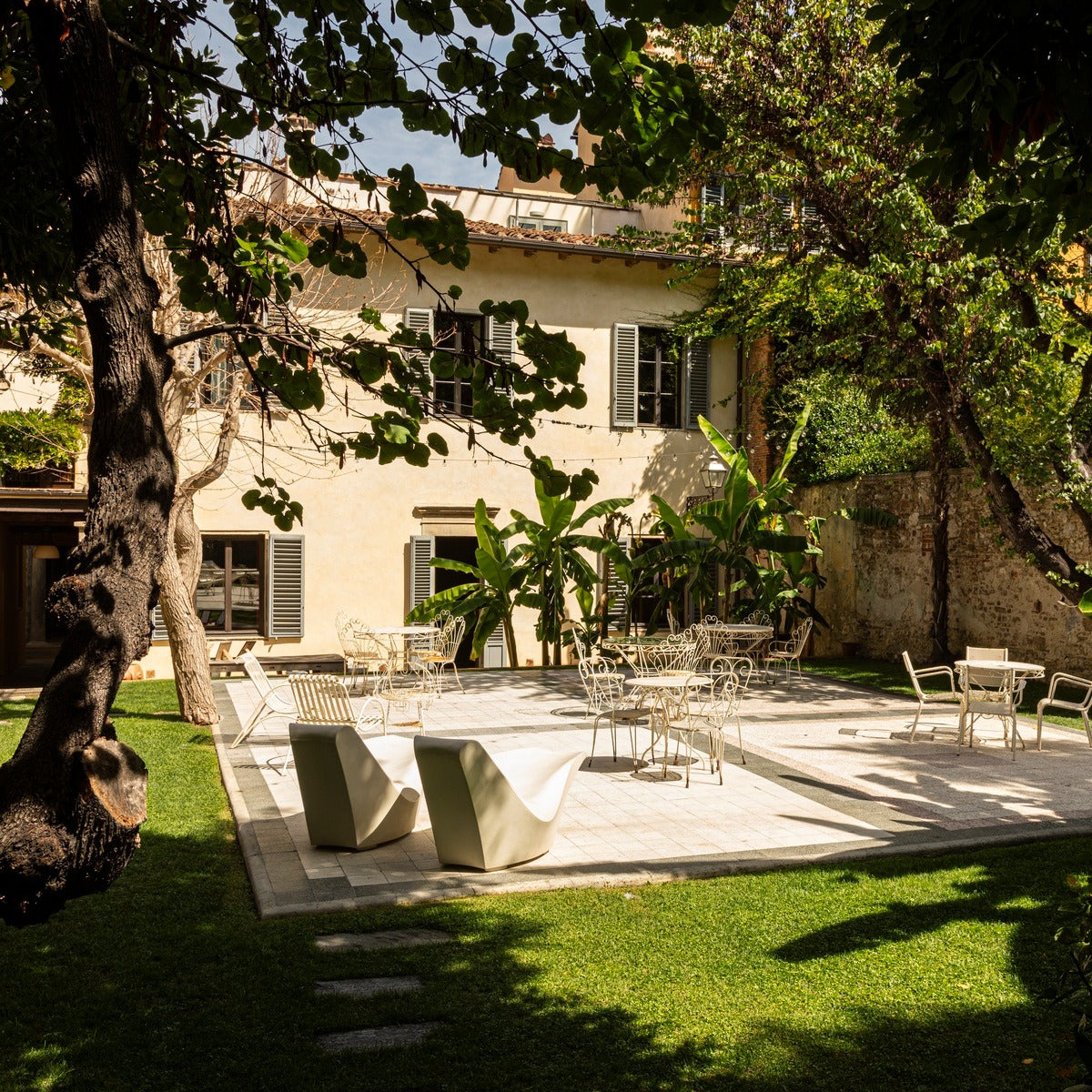
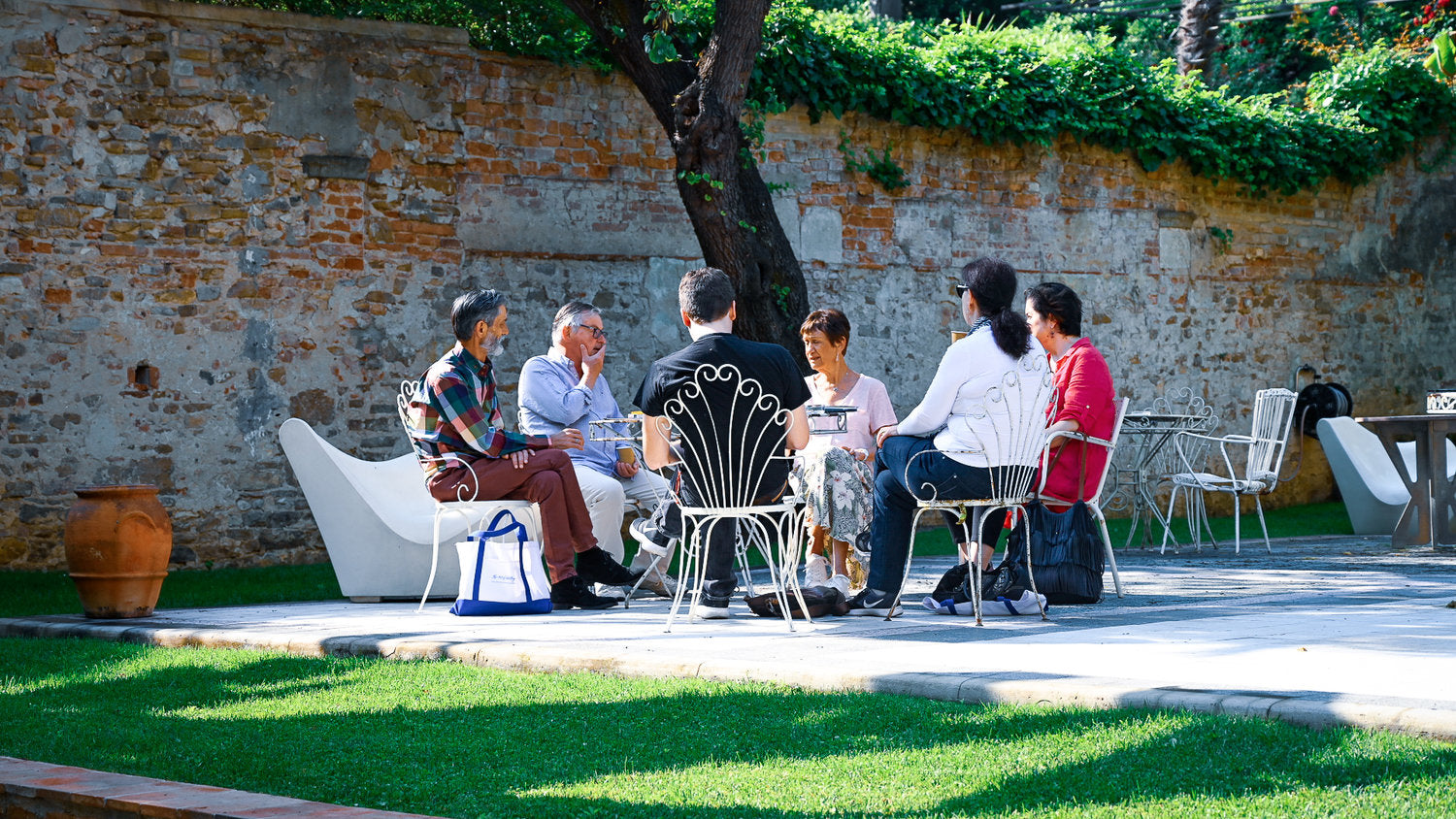
Immerse yourself in your writing, with the perfect quintessential Italian backdrop: Palazzo San Niccolò. A stone's throw from the iconic Ponte Vecchio and the Arno river, it is located in the heart of the historic centre of Florence. The romantic 1950s interior design, the delightful private garden and the large, bright session area will inspire creativity and feed your imagination.
Our Success Stories
Scenes from previous retreats
You may also like
-
The Art of Storytelling, Florence, May 9-13 2027
Regular price $3,219.00 AUDRegular price -
The Art of Plot and Theme, Florence, June 1-5 2025
Regular price $2,159.00 AUDRegular price -
The Art of Telling Your Story, Florence, July 6-10 2025
Regular price $2,159.00 AUDRegular price -
The Story Workshop, Sydney, August 21-23 2026
Regular price $1,300.00 AUDRegular price