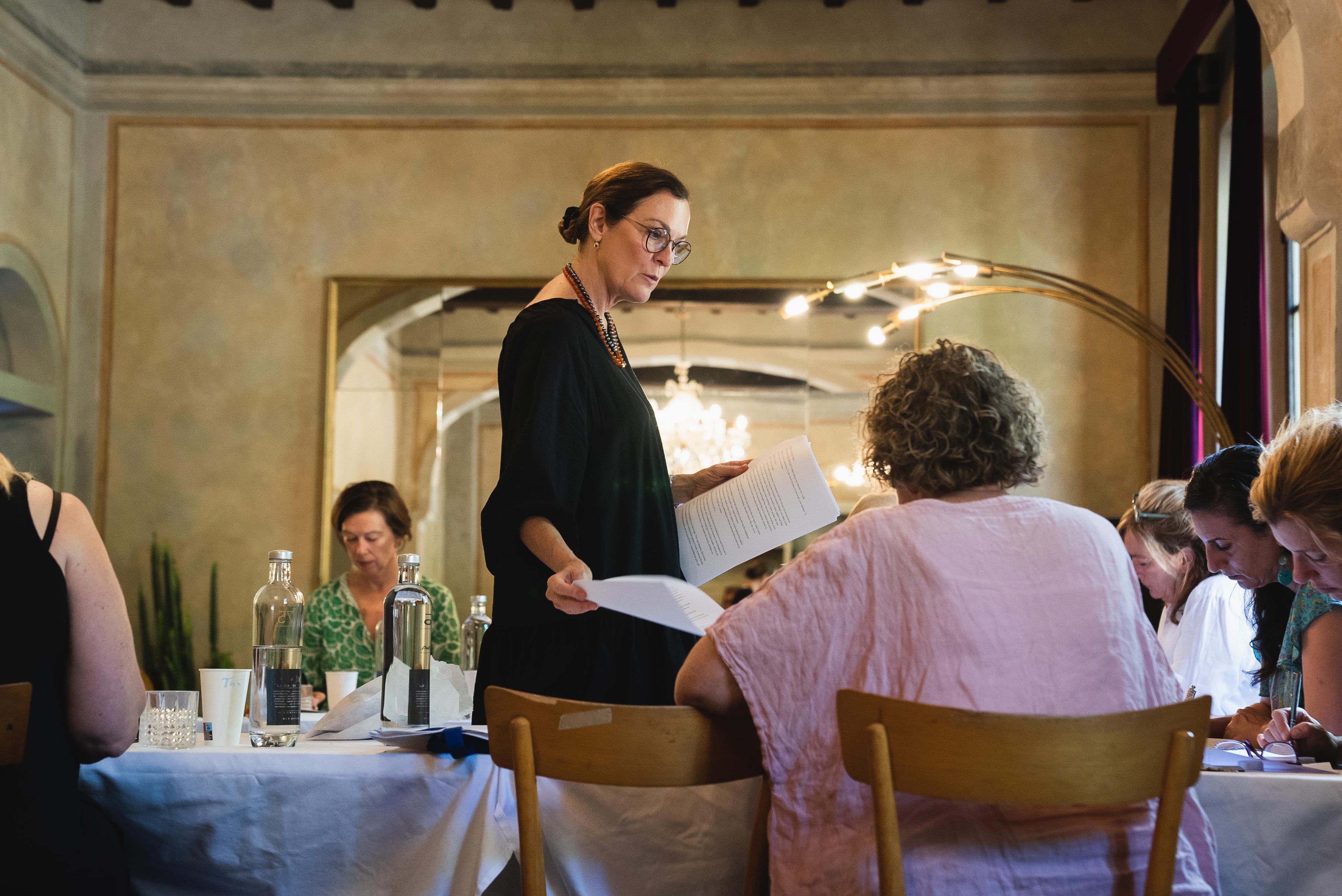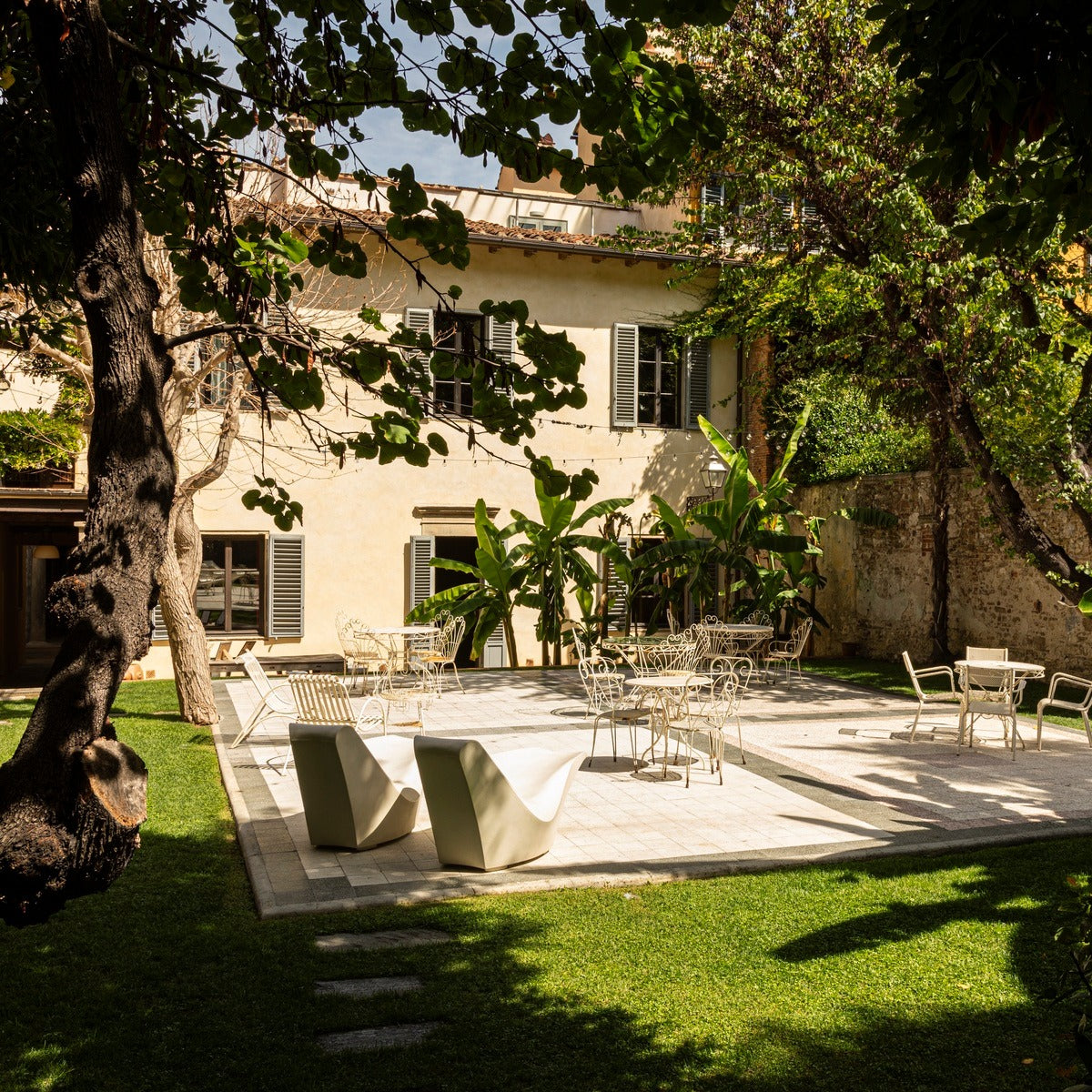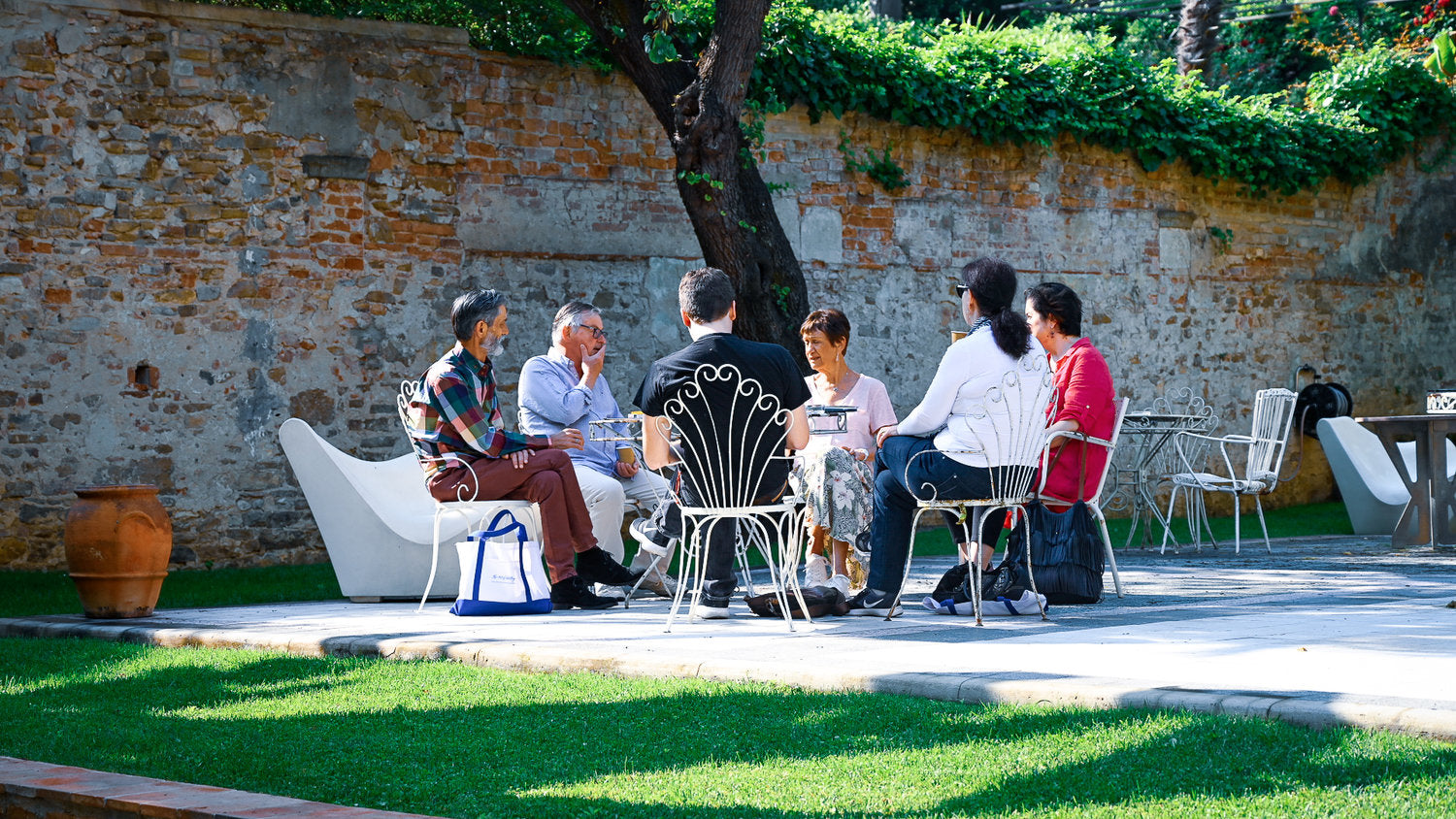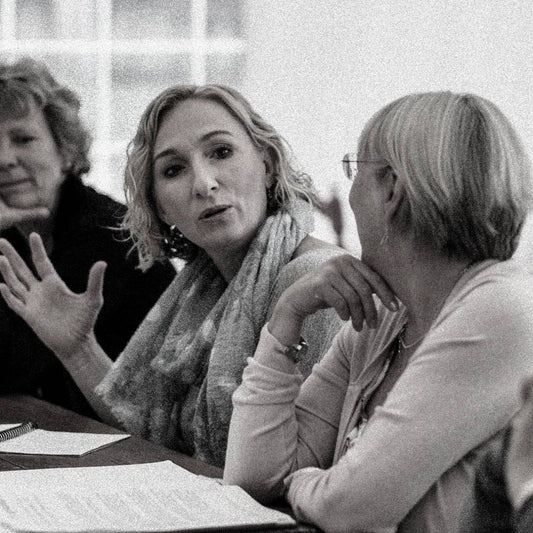
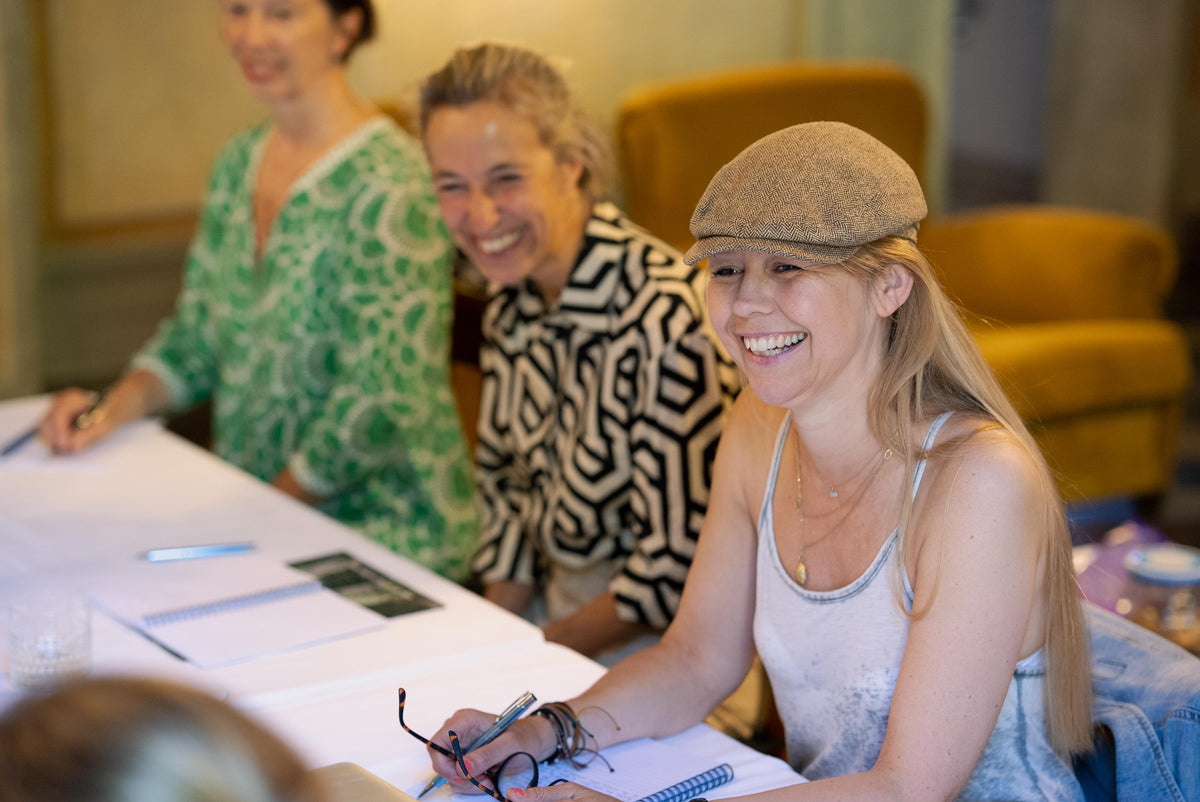
Our mornings begin around the writing table at Palazzo San Niccolò. Beyond the salone, the gardens offer somewhere to think between sessions, while Florence’s streets, cafés and markets give us plenty to notice, discuss and bring back to the page.
Take your notebook into Florence. A passing conversation, an unexpected detail or a character seen differently might give you just the opening you’ve been looking for.
What Makes Sharpening Your Story in Florence Different
1.
A closer look at the story you want to tell
Bring an idea, some chapters or a draft you want to develop. Through practical exercises and discussion, we’ll examine what gives your story its strength, where it needs more attention and what you could explore next. You’ll have opportunities throughout the week to apply the teaching to your own project.
2.
Foundations you can put straight to work
What turns an interesting idea into a compelling story? We’ll explore character, conflict, tension and change, looking at how these essential elements work together. Whether you’re beginning a project or revising existing pages, understanding those connections helps you make purposeful decisions about your writing.
3.
Characters with something at stake
What do your characters want, and what gets in their way? Explore how their desires, fears and choices shape events. We’ll also work on your Major Dramatic Question, the central question that gives your story direction and makes readers care about what happens next.
4.
Florence through your character’s eyes
Our Sense of Place workshop takes us from the salone into Florence, walking from Palazzo San Niccolò to Sant’Ambrogio Market. What would your character notice, remember or misunderstand? Gather details and experiment with how someone’s feelings and history change the way they experience a place.
5.
A city Lisa knows from the inside
Lisa Clifford lived and wrote in Florence for more than thirty-five years. Her experience as an author and journalist shapes a week filled with close observation, practical teaching and local knowledge. From the writing table to neighbourhood walks, she’ll help you recognise the small details that can open up a story.
6.
Seven writers with time to talk
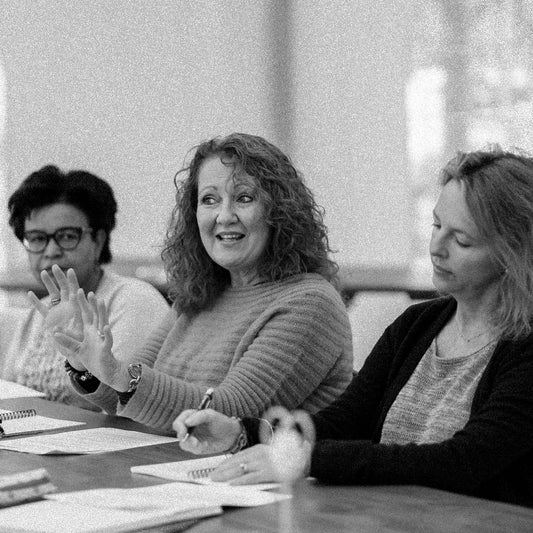
A small group makes it easier to ask the question you’ve been sitting on, test a possibility or discuss a difficult passage. With just seven participants, everyone has room to contribute. Conversations continue over morning coffee, shared dinners and the discoveries made during the week.
7.
A clearer sense of what belongs where
Our memoir and structure workshops help you look at both your material and its arrangement. Which moments serve the central story? Where should you begin? What does the reader need to know next? These questions matter in fiction, memoir and narrative non-fiction, and can help you find a way through a complicated draft.
8.
Stronger dialogue and carefully revealed backstory
Explore how conversations reveal personality, build tension and change relationships. Then, with guest lecturer Laurel Cohn, consider how to weave a character’s past into the present action. Together, these workshops help you decide what readers need to hear, discover and work out for themselves.
9.
A conversation about the path to publication
Our evening literary-agent Q&A offers a chance to ask about submissions, publishing and how to describe your project. Writers may submit a short story summary beforehand to introduce their work. You’re welcome to bring questions whether publication feels close or is still some way ahead.
10.
Writing, friendship and a shared celebration
We begin with an aperitivo on Sunday 23 May at 18:30, followed by our welcome dinner. Over the following days, there’s time to work, explore Florence and get to know your fellow writers. On Thursday evening, we gather for dinner, wine and optional readings to celebrate what we’ve discovered and created together.